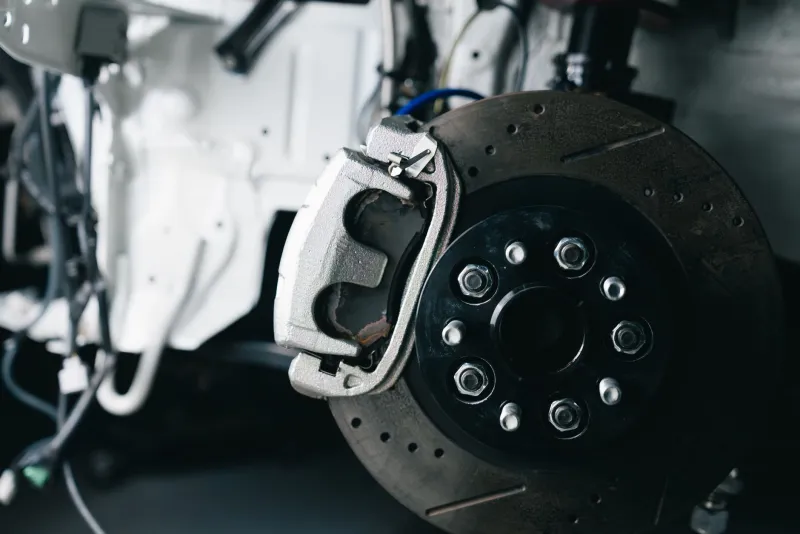
One Small Socket, One Big Bill: The Pre-Winter Locking-Nut Audit
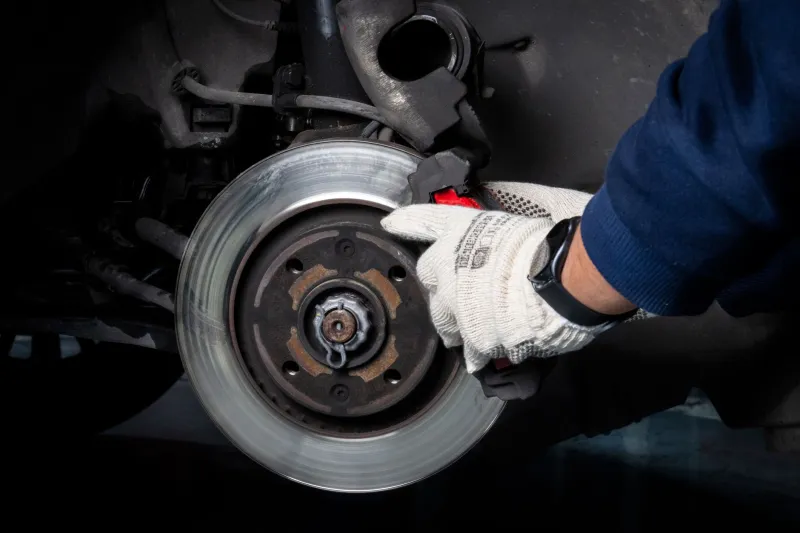
There is a particular kind of November misery that starts with a puncture on a dark, wet evening and ends with a mechanic saying, “We can’t get the locking nut off.” The tyre is fine. The wheel is fine. The problem is a tiny splined socket that has been quietly corroding in the boot since the last owner had the car.
Locking wheel nuts are one of those bits of kit that work brilliantly right up until they don’t. They deter wheel thieves, they satisfy insurance-minded owners, and they add one more thing to forget about. Then a tyre fitter reaches for the key, the key slips, and a five-minute wheel swap becomes a workshop job involving drills, heat and a bill that can easily head towards £200 or more once labour and replacement parts are counted.
As we head into the colder months of 2026, this is worth ten minutes on the driveway. Not because locking nuts are fragile, but because they are easy to neglect.
The part nobody checks until the wheel is off
Most cars have one locking wheel nut per wheel. The key — sometimes called a socket, adapter or pattern key — is the only thing that will shift it. That key usually lives in the glovebox, the boot, or a small bag with the spare wheel kit. Sometimes it lives in the previous owner’s shed, which is less helpful.
The first job is simple: find it. Not assume it is there. Find it, hold it, and check it fits the locking nuts on all four wheels. Keys are often pattern-specific, and a key that fits the front-left wheel should fit the rest. If it doesn’t, you may have mixed locking nut sets, which is its own small headache.
While you are there, count the locking nuts. Four is the usual number. If one wheel has a standard bolt where a locking nut should be, ask why. It may have been replaced after a lost key, or it may point to a previous struggle that was never properly sorted.
Test the key now, not at the roadside
A locking nut key can feel fine in your hand and still be useless under load. The splines may be worn, the outer sleeve may be cracked, or corrosion may have tightened the fit. A gentle test is better than a surprise.
With the car on level ground and the handbrake on, fit the key fully onto each locking nut. You are not trying to remove the wheel. You are checking that the key seats squarely and does not rock or slip. If you have a breaker bar, apply light, steady pressure — just enough to confirm the key is engaging. If it slips, stop. Do not keep going and round off the splines.
Clean the key and the nuts with a brush and a rag. Road salt, grit and old grease can pack into the splines. A quick clean and a check that the key is not cracked will tell you more than a glance from the driver’s seat.
If the key is missing, damaged or clearly worn, order a replacement before you need it. Dealer parts departments can often supply a new key from the vehicle’s details or the code card, and motor factors may carry pattern replacements. It is far cheaper than an emergency call-out or a drilled-out nut.
Why corrosion turns a five-minute job into a drill-out
Locking nuts live in one of the harshest places on the car. They get sprayed with salty water, gritted road filth and brake dust. The key sits in a boot that may be damp. Over time, the close-fitting splines can corrode together.
Then there is torque. A locking nut key is not designed for repeated hammering from an impact gun. Tyre fitters are busy, and a rattle gun is quick, but it can over-tighten the nut or damage the key’s teeth. Once the key strips, the nut is still on the wheel and nobody is going anywhere.
That is when the drill comes out. A workshop may have to drill the locking nut, extract the remains and fit a new set. Sometimes the wheel is marked in the process. The bill depends on the car, the wheel and how stubborn the nut is, but it is rarely a pleasant surprise.
You can reduce the risk by asking your tyre fitter to use the locking key by hand and torque the nuts properly. A good fitter will not mind. If you are having tyres changed, check the key comes back in the car and that all four locking nuts are still fitted before you drive away.
The glovebox and boot audit
This is the practical bit. Before the next cold snap, do a locking-nut audit:
- Find the key and make sure it fits every locking nut.
- Clean the key and the nuts, then check for cracks or worn splines.
- Look for the code card or any paperwork that identifies the locking nut pattern. Photograph it and keep the image on your phone.
- Check the boot kit. If you have a spare wheel, make sure the locking key is with it. If you don’t, the key still needs a secure home in the car.
- Keep the key in a labelled bag or pouch so it does not rattle around loose.
- After any garage visit, confirm the key has been returned and the locking nuts are present.
A locking nut key is a small thing to carry and a large thing to lose. Treat it like part of the car’s toolkit, not a mystery item from the glovebox.
What to tell the tyre fitter
When you book a tyre change or puncture repair, mention that the car has locking wheel nuts. Ask them to use the key by hand and to torque the nuts to the manufacturer’s figure. If you have a replacement key, take it with you. If the key is tight or worn, say so before they start.
It also pays to check the nuts yourself afterwards. A quick walk round with a wheel brace — or just a visual check that all four locking nuts are fitted — takes a minute and catches the odd oversight.
The bottom line
A locking wheel nut is a security device, but it is also a maintenance item. The key does not care that you are late for work or that it is raining sideways. It either fits or it doesn’t.
So before the winter tyre change, the puncture, or the MOT advisories start stacking up, find that key. Test it. Clean it. Make sure it lives where you can find it. A replacement key and a few minutes of checking are a lot cheaper than a drilled-out nut and a forecourt apology.
In November 2026, with salt already on the roads, that small socket deserves a place on your winter checklist. It is the cheapest £200 you will ever save.