The Roadside Handover: Five Details That Save Your Car Before the Tow
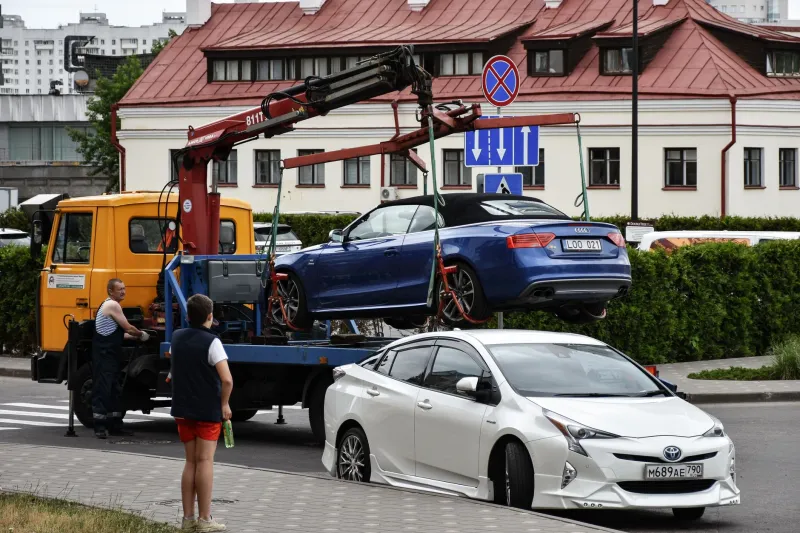
A breakdown has a way of shrinking your world to the size of the hard shoulder. The hazards are on, the traffic is thumping past, and the last thing you feel like doing is giving a detailed briefing. But the call to recovery is not admin. It is the first diagnostic handover your car gets, and what you say in those few minutes can decide whether it is lifted properly, winched carefully or dragged into a second problem.
At Donnelly VRS Ltd, we see both sides of this. Cars arrive on a flatbed with a clean story attached, and they get sorted faster. Cars arrive with a mystery, a seized wheel and a fresh scuff on the bumper, and the workshop spends the first hour working out what happened at the roadside. Here is what is worth telling the recovery operator before the truck rolls.
Safety first, then the phone
Before any of the useful detail, get yourself somewhere sensible. Hazard lights on, triangle out only if it is safe and legal to do so, and stand behind the barrier rather than between the car and the traffic. On a smart motorway, get out of the live lane and behind the barrier before you start scrolling for the recovery number. Give the operator the location exactly as you see it — marker post, junction number, slip road, retail park entrance, what3words if you have it. A precise location is not a small thing; it is the difference between a quick recovery and a truck circling a retail park.
1. What the car did, not what you think it is
Describe the sequence, not the diagnosis. “It lost power at 60 mph, the engine light flashed, then it went into limp mode” is gold. “I think the turbo’s gone” is guesswork, and it can send the recovery driver down the wrong path.
Tell them about noises, smells, smoke, fluid on the road, warning lights, whether the engine cut out or was switched off, and whether it restarted. Mention if the car is an EV or hybrid and whether it showed a high-voltage or battery warning. If there was a burning smell or any sign of heat from the battery area, say so clearly — that changes how the vehicle is handled. Do not touch orange cables or poke around under a hybrid. The recovery operator needs to know, not you.
2. Wheels, brakes and steering: can it roll?
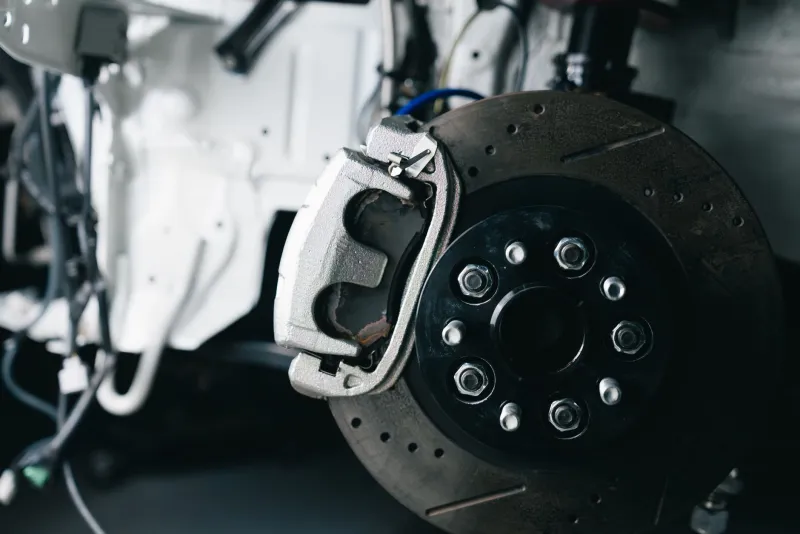
This is the detail that saves parts. A car with a seized wheel, a shredded tyre, a dragging brake or a steering lock that will not release cannot simply be winched onto a flatbed like a shopping trolley. Tell the operator if a wheel is flat, if the car pulls to one side, if a brake is binding, if the parking brake will not release, or if the car will not come out of park.
If you hit a pothole or kerb before stopping, mention it. Bent suspension, a cracked alloy or a damaged tyre sidewall can turn a straightforward load into a skating job. Do not force the gear selector or the electronic parking brake to prove a point. A recovery driver would rather know the car is immobile than discover it halfway up the ramp.
3. Keys, fobs and immobilisers
Tell them how many keys you have with you, whether the fob works, whether the car recognises the key, and whether it is keyless start. A dead fob battery, a steering lock that has engaged, or an aftermarket immobiliser can all slow the load down. If the car has a ghost immobiliser or a PIN-to-drive system, say so and have the code ready. The recovery driver is not being nosy; they need to move the car without triggering a security system that will not let go.
If the spare key is at home and someone can bring it, say so early. If not, be honest. A car that will not start is one problem; a car that will not start and cannot be unlocked is a longer wait for everyone.
4. Drivetrain and traction: what is turning?
Manual or automatic, front-wheel drive, rear-wheel drive or four-wheel drive — the recovery operator needs to know. Many automatics and most EVs should not be towed with driven wheels on the ground. A hybrid or plug-in hybrid adds another layer: the high-voltage system, the charging cable, and the way the car behaves when it is not in ready mode.
Mention if the car is lowered, has a body kit, a tow bar, a roof box or limited ground clearance. If you were charging when it failed, say so and mention whether the cable is still attached. These details affect the ramps, the straps and the angle of the load. They are not trivia.
5. Access, condition and what is around the car
A recovery truck is not a taxi. It needs room to work. Tell the operator if the car is in an underground car park with a height barrier, a narrow residential street, a gravel driveway, a slope, a locked gate or a wheel clamp. Mention if you cannot stay with the vehicle, and give a contact number that will actually be answered.
If the car is loaded with tools, shopping or a dog guard, say so. If it has a dashcam, save the footage before the battery goes flat — it can be useful if the breakdown followed an impact or a pothole strike. And if you have recently had repairs done, mention that too. A fresh coolant hose, a new battery or a just-fitted brake caliper can point the workshop in the right direction.
The note that travels with the car
You do not need to write a novel at the roadside. A few lines on your phone — symptoms, warning lights, wheel condition, key situation, drivetrain, access — will do more for the diagnosis than a dozen guesses. Do not clear fault codes, do not disconnect the battery unless the recovery operator asks you to, and do not let anyone talk you into a tow that ignores the car’s driven wheels.
The recovery driver is the first pair of hands your car meets after it fails. Give them the right information and the handover is cleaner, the load is safer, and the workshop starts with a story rather than a puzzle.