The Hitch in the History: Reading a Used Car's Towing Past Before You Pay
A used car can look remarkably innocent with a fresh valet and a tidy set of mats. Add a towbar, though, and the questions start. Was it fitted for a small trailer to the tip, or has it spent six summers dragging a twin-axle caravan to the coast and back? The difference matters, because towing puts stress through parts a short test drive will never trouble.
This is not about writing off every car with a hitch. Plenty of careful owners tow within limits and maintain their cars properly. The trick is learning to read the clues, ask better questions, and decide whether the evidence points to a well-looked-after workhorse or a bill waiting to happen.
Start at the back, not the badge
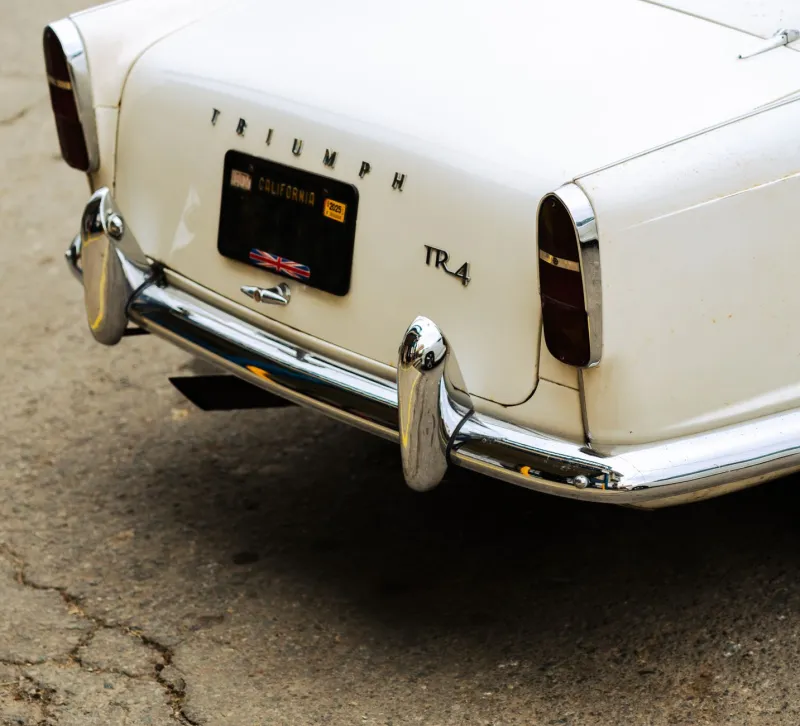
The rear bumper is where the story usually begins. A factory towbar often leaves neat cut-outs and proper mounting points; an aftermarket job can be perfectly sound, but the finish around the bumper and boot floor is worth a close look. Check for scuffed paint around the towball, worn stabiliser pads, a missing socket cap, or green corrosion inside a 13-pin plug. Those small details suggest repeated use rather than a one-off bike rack.
If the towbar has been removed, don't assume the history went with it. Look for bolt holes, a rectangular patch in the bumper, paint mismatch, or loose trim. Peer underneath: a dedicated wiring loom is usually tidier than scotch-locks and electrical tape. Neither is automatically a deal-breaker, but hacked wiring can cause odd faults with reverse sensors, trailer lights, and rear modules. Ask who fitted it and whether the car was coded for trailer electrics.
The suspension has been carrying more than shopping
A caravan's nose weight and a loaded trailer both press down on the rear end. On a test drive, listen for knocks over speed humps and feel for a rear end that seems unsettled. Stand back and check the ride height: a sagging rear can point to tired springs, worn dampers, or a self-levelling system that has had enough. Self-levelling suspension is brilliant when it works and expensive when it doesn't.
Look at rear tyre wear as well. Uneven inner edges, cupping, or a set of mismatched budgets on the back can be clues. So can fresh underseal sprayed over the rear floor and towbar mounting area. A little protection is sensible; a thick black mask over corrosion is not. If you can, get the car on a ramp before money changes hands.
Heat leaves a paper trail
Towing works an engine and gearbox harder than solo driving, especially on hills and in summer traffic. Automatics benefit from clean transmission fluid and, on some models, an auxiliary cooler. Look for non-standard cooler lines, homemade brackets, or leaks around the gearbox area. A burnt smell on the dipstick — where one exists — is a warning sign, not a quirk.
Manuals are not immune. A clutch that has hauled a trailer up slip roads may be closer to replacement than the mileage suggests. On the test drive, check for a high biting point, judder, or slip under load. With an automatic, feel for hesitant shifts, flare between gears, or a thump when selecting drive. These can be normal on some cars, but they are worth comparing against a specialist's opinion.
The paperwork tells a story if you let it
In the UK, the MOT history is a free and useful starting point. Advisories for rear springs, brake pipes, tyres, and suspension give you a sense of how the car has been treated. Service invoices are even better. Look for gearbox fluid changes, coolant work, brake fluid, and any towbar fitting invoice. A car that has towed but has no related maintenance records deserves more scepticism than one with a folder of receipts.
Ask the seller directly: what did it tow, how often, and how heavy? Was the towbar factory-fitted or aftermarket? Has it ever had a transmission or cooling repair? If the answer is 'never used it, mate' while the towball is polished and the socket is worn, trust the metal over the sales patter. A genuine owner will usually know the weight of their caravan or trailer without hesitation.
Redesign the test drive
A ten-minute loop around town won't reveal much. Take the car on a dual carriageway, a hill, and a few slow reversing manoeuvres. Use the gears properly, let the gearbox shift under load, and listen for clunks from the rear. Check that reverse sensors and trailer-related warning lights behave. If you can borrow a trailer board, plug it in and test every light function; if not, ask a garage to check the wiring.
A pre-purchase inspection is money well spent on any tow-equipped car. Ask the mechanic to focus on the rear underside, towbar mounting points, suspension, transmission, and cooling system. It is far cheaper to pay for an hour on a ramp than to discover a cracked mounting area or a slipping gearbox after you've handed over the cash.
When the evidence should send you walking
Walk away if the rear structure looks corroded and freshly hidden, if the wiring is a nest of scotch-locks, or if the gearbox misbehaves when warm. A sagging rear end, burnt transmission fluid, or a seller who refuses an inspection are all reasons to pause. So is a price that ignores the risk: a tow car isn't automatically bad, but it shouldn't be priced like a cosseted one-owner shopping car.
A towbar is not a stain on a used car's character. It is a clue. Read it alongside the paperwork, the underside, and the way the car drives, and you'll have a much clearer idea whether that hitch is part of a sensible history or the start of an expensive one.