Ten Minutes, No Ramps: The Used-Car Forecourt Check a Mechanic Would Do
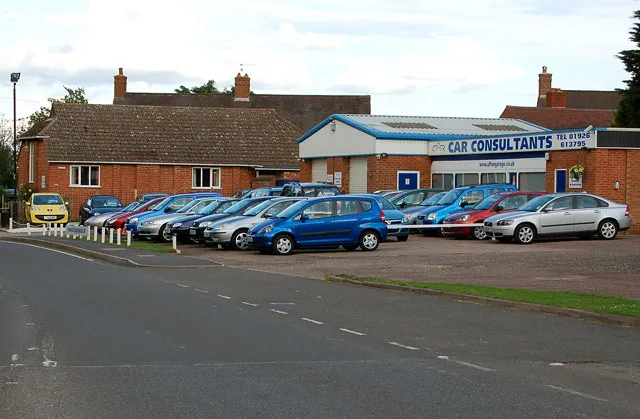
Photo: Andy F, CC BY-SA 2.0, via Wikimedia Commons
Buying a used car is usually a time-pressure game. The seller has the keys, the car is warm, and you are trying to look confident while quietly wondering whether that slight rattle is normal. At Donnelly VRS Ltd, we would rather you spent ten minutes being nosy before you hand over cash. You will not catch everything without a ramp, but you can catch enough to walk away from the obvious trouble.
Start with the MOT history, not the paintwork
Before you fall for shiny bodywork, put the registration into the government MOT history service. Look at the mileage progression, the failures, and especially the advisories. One advisory for a worn tyre is normal life. The same advisory appearing year after year tells you the owner ignored it. Repeated corrosion advisories, brake pipe advisories, suspension advisories and tyre defects are your cue to look much harder or walk away.
Check that the V5C details match the car and the seller. Look through the service history for gaps and make sure the mileage lines up. A stamped book is nice; a folder of invoices with dates and mileages is better. If the seller cannot explain a gap in MOT history or a sudden mileage jump, do not let enthusiasm make the decision for you.
Tyres: read the date code and look at the shoulders
Each tyre has a DOT code with four digits. The first two are the week of manufacture and the second two are the year. A tyre ending in 19 is from 2019, so by November 2026 it is seven years old even if the tread looks deep. Rubber ages. Look for cracking between the tread blocks and on the sidewalls. Check both shoulders for uneven wear, which can point to alignment or suspension issues. Look for cuts, bulges and repairs.
The legal minimum tread depth is 1.6mm, but a used car sitting at 2mm is nearly due a set of tyres. Factor that into the price. Check that the tyres are a matching pair across an axle where possible, and that the spare or inflation kit is present. A space-saver from 2008 is not a selling point.
Brakes: look through the wheels
You can often see enough through the alloy spokes without removing a wheel. Run your eye around the brake disc edge. A pronounced lip on the outer edge means wear. Heavy scoring, blue patches from overheating, or deep rust on the braking face are all reasons to ask questions. Look at the pad thickness if you can see it. If the car has been sitting, surface rust on discs is normal, but pitting and flaking are not.
Check the handbrake travel and feel. On a test drive, brake firmly from a safe speed and see if the car pulls to one side or shudders through the pedal. Any grinding noise means you should budget for brakes immediately.
Under the bonnet: coolant, oil and fluids
Never open the coolant cap when the engine is hot. With the engine cold, check the coolant level and colour. Bright pink, orange, blue or green can all be correct depending on the manufacturer, but muddy brown sludge, oil droplets or a low level with no obvious leak is a warning. Look for dried coolant staining around hoses and the radiator.
Pull the oil dipstick. Black oil on a diesel is not automatically bad, but gritty oil, a strong fuel smell, or a level above the maximum is a concern. Mayonnaise-like sludge under the oil cap can suggest short trips and condensation, or something worse. Check brake fluid level, screen wash, and look at the condition of belts and hoses. A tidy engine bay is nice; a newly steam-cleaned one can hide leaks.
Panel gaps and paint: the quiet clues
Walk around the car and look down the sides. Panel gaps should be even from front to rear. A wider gap at one end of a door or bonnet can hint at accident repair. Look for overspray on rubber seals, masking lines in the paint, or a different shade between panels in daylight. Check the boot floor and spare wheel well for fresh underseal hiding corrosion, and look at sill and wheel-arch edges.
Open and close every door, the boot and the bonnet. They should shut with a solid feel, not a rattle or a scrape. Check the windscreen for chips in the driver’s line of sight. A chip is not always a deal-breaker, but it is a negotiating point and a potential MOT issue.
The test drive: listen cold, then listen properly
Start the car from cold if you can. Listen for a rattle, a harsh tick, or a laboured crank. Watch the dashboard: warning lights should come on and then go out. An engine management light, ABS light, airbag light or DPF light that stays on needs explaining before you drive away.
On the move, turn the radio off. Listen over speed bumps for clunks from suspension, whines from the gearbox or differential, grinding from brakes, and ticking from the engine. Feel for juddering under acceleration, a clutch that bites very high, or a gearbox that is reluctant to select. A turbo whistle is normal; a siren-like whine or clouds of smoke are not. If safe, take the car up to motorway speed and check for vibration and pulling.
The walk-away list
Walk away if the seller refuses a test drive, the warning lights stay on, the car overheats, the gearbox slips, there is heavy smoke, or the MOT history shows repeated structural corrosion. Walk away if the paperwork does not match the car or the seller pressures you to pay a deposit before an inspection. A ten-minute forecourt check will not replace a proper garage inspection, but it will stop you wasting money on the wrong car. At Donnelly VRS Ltd, that is the kind of forecourt know-how worth having before you hand over the cash.