The MOT Advisory You Signed For: Turning Paper Warnings Into a Repair Plan
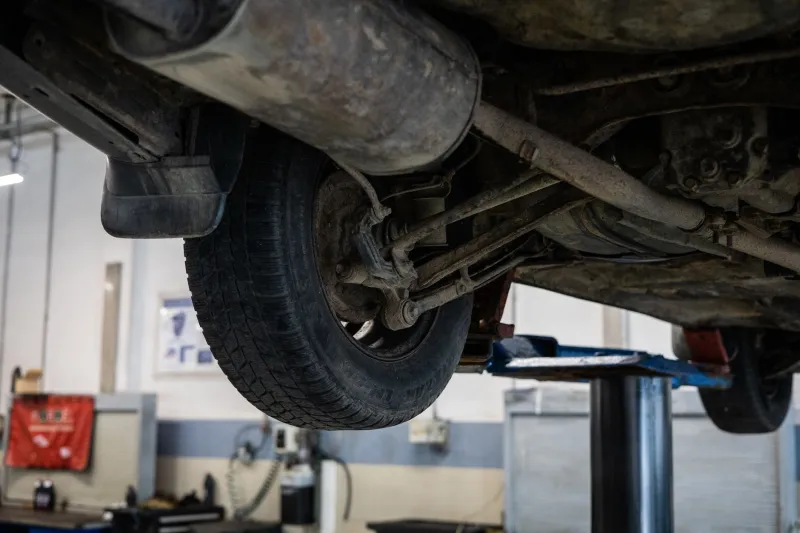
On a damp November morning, the MOT sheet gets handed over with the keys, and most drivers do the same thing: check the pass or fail box, glance at the mileometer, and fold the paperwork into the glovebox. That is understandable. The test is over, the car is legal, and the advisory list can look like a garage's small print. But an advisory is not noise. It is a note from underneath the car, written by someone who has just had it on a ramp, telling you what is likely to need money next.
Treat the advisory sheet like a workshop planner rather than a receipt. The job is to decide what gets booked, what gets checked at the next service, and what genuinely just gets watched. Get that sorting right and the difference between a £40 battery of checks and a £400 repair bill is often just timing.
First, know what the sheet is telling you
Since the MOT test changed in 2018, defects are split into dangerous, major, minor and advisory. Dangerous and major mean a fail. Minor means a pass but a defect has been noted. Advisory means the tester has seen something worth monitoring, but it has not reached the threshold for a defect. That distinction matters. An advisory is not automatically an urgent repair, but it is also not a free pass. It is a marker on the car's timeline.
When you read the sheet, look at the wording. 'Corroded but not excessively weakened' is different from 'corroded within a prescribed area'. 'Slight play' is different from 'excessive play'. 'Oil leak, not excessive' is different from 'oil leak likely to contaminate brakes'. The tester is giving you a severity clue. If you are not sure what the phrase means, ask at the desk before you drive away. A two-minute question now is cheaper than guessing later.
The four advisories that deserve a proper look
Brake pipe corrosion is one of the most common advisory items on older UK cars, especially around rear axles and underbody clips where road salt sits. Light surface rust is one thing. Flaking, pitting or damp patches around a pipe are another. If the tester has noted corrosion on a brake pipe, do not wait for the next MOT to find out whether it has moved from advisory to fail. Get it cleaned, inspected and, if needed, replaced. Brake pipes are not a place for optimism.
Cracked or perished tyres are another regular. The MOT looks at condition and tread, but an advisory might flag sidewall cracking, ageing or uneven wear. A tyre can pass the tread depth check and still be past its best. Look at the date code on the sidewall, check for cuts and bulges, and think about whether the car sits unused for long periods. Tyres that crack in the shoulders are telling you about age and UV exposure, not just mileage.
Suspension play is the classic 'slight play' advisory. A little movement in a ball joint, bush or top mount may be acceptable at test time, but it rarely improves. Ask the tester which component was noted and whether it is a safety-critical joint. Then get it checked again at the next service, or sooner if you hear clunks over speed bumps or feel vagueness through the steering.
Oil leaks are the advisory that gets ignored longest because the car still runs. A misting around a rocker cover is different from a drip landing on the exhaust or contaminating a clutch. If the sheet says 'oil leak, not excessive', find out where it is coming from. A £15 gasket can become a £300 job if oil has been soaking a belt or a sensor for months.
Sort the sheet into three columns
Use a simple three-column plan: fix now, monitor at service, and watch list.
Fix now is for anything safety-related, anything the tester has described with words like excessive, weakened, contaminated or close to the limit, and anything that could cause a breakdown or an MOT fail next time. Brake pipe corrosion with pitting, a cracked tyre sidewall, a suspension joint with noticeable play, or an oil leak near the brakes all belong here. Book the work while the advisory is fresh and you still have the tester's notes to refer to.
Monitor at service is for items that are wearing predictably: slight suspension play, early corrosion, a seep that is not yet a drip. Put them on the service sheet. Ask the garage to check them when the car is already in for an oil change or brake inspection. That way you are not paying for a separate inspection, and you get a second opinion before the next MOT.
Watch list is for cosmetic or low-risk notes: slight damage to a spring, a mist of oil that is not spreading, a tyre wearing evenly but nearing the end of its life. Even here, write down the date and mileage. A watch list without a date is just a worry list.
Use the MOT history as a timeline
The DVSA MOT history service is free, and it is one of the most useful maintenance tools a used-car owner has. Look at the advisories year by year. Is the same brake pipe mentioned three tests running? Has 'slight play' become 'excessive play'? Did an oil leak appear at the same time as a new gasket? Patterns tell you more than a single sheet.
If you bought the car recently, the history shows what the previous owner deferred. If you have owned it for years, it shows what you have been putting off. Either way, it turns a pile of paper into a schedule. Take a photo of the advisory sheet, note the mileage, and keep it with the service book. When the garage asks what needs looking at, you have a list rather than a vague memory.
The forecourt rule
An advisory is a conversation starter, not a verdict. Ask the tester what they saw, ask the garage what it would cost to put right, and ask yourself whether you would be happy driving to Scotland on it. If the answer is no, move it to fix now. If the answer is 'probably, but I would want it checked', put it on the service list. If the answer is 'I had forgotten it was even mentioned', dig the sheet out and read it again.
Cars do not usually fail suddenly. They fail because a small note on a sheet was left to become a big note on the next one. The advisory list is the garage telling you where the next bill is likely to come from. Read it like a planner, not a receipt, and you get to choose the timing instead of the recovery driver.